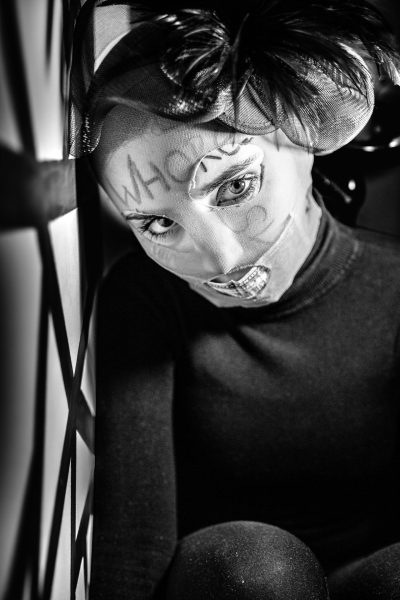
The city is full of places that seem harmless. But for someone, those same places are wounds carried silently for years. Every ribbon marks a space where safety once disappeared.
It was a quiet, sunny spring afternoon. Sarajevo was crowded as usual, especially on public transport after working hours. When the tram arrives, it becomes a struggle — people pushing to get inside, searching for a seat, trying to enter before the doors close. Bodies collide, bags and hands intertwine, and the air becomes heavier with every stop. The sound of the doors screeching shut mixes with whispers of frustration and impatience.
I step into that long, narrow box of glass and metal, surrounded by strangers pressed against one another. Barely enough room to move. Everything looks ordinary, but my body reacts as if I am trapped.
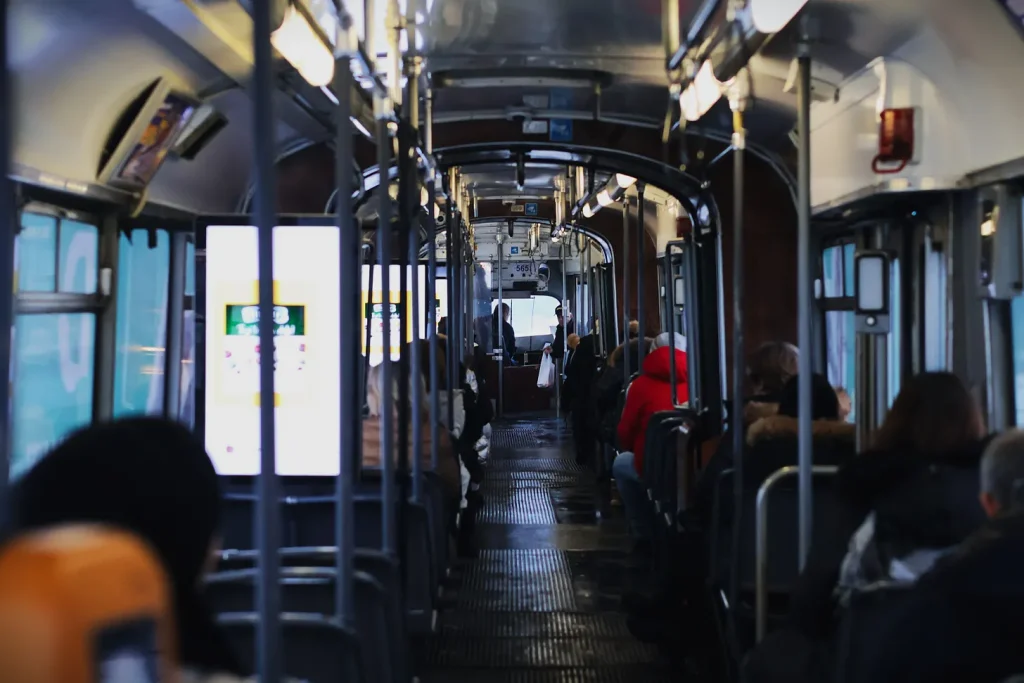
And then — suddenly, him.
A man in his forties. Blue eyes, cold and fixed directly on me. A disturbing stare that tears through every layer of comfort and safety. The space around me begins to shrink. Somewhere deep inside, an alarm goes off — the kind that warns you something is wrong but cannot protect you from what comes next.
I turn toward the exit doors, counting stations, counting seconds until I can leave.
Around me are dozens of people, and yet I am completely alone.
Then I feel it. His touch. Cold, deliberate, violating. His hands moving across intimate parts of my body in a public space — a space that was supposed to be safe.
Everything inside me froze.
I wanted to scream, but no sound came out. My body was stiff, my heartbeat violent and frantic, as if it wanted to escape instead of me. The crowd around me no longer felt like people. It felt like walls closing in, sealing every possible exit. Time lost meaning. There was only his presence on my body and the unbearable length of that moment.
In a sudden burst of strength I did not know I had, I pushed him away. He slipped through the crowd and rushed toward the doors, escaping before I could react. I ran after him, but he was already disappearing down the street, his back turned to what he had done.
To this day, every tram feels too narrow. Every crowded space feels like a wound reopening.
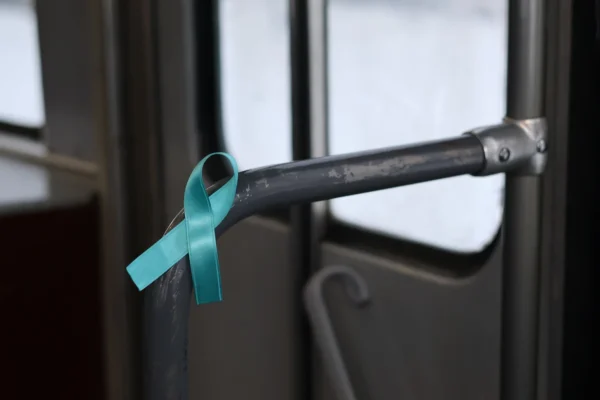
And ever since then, I cannot stand blue eyes. They remind me of the darkness that swallowed me whole.
— Hana, tram
“I was sitting on a bench in the park when I suddenly felt hands grabbing my waist from behind. Then I heard a dirty whisper. In that moment, disgust and helplessness completely overwhelmed me.”
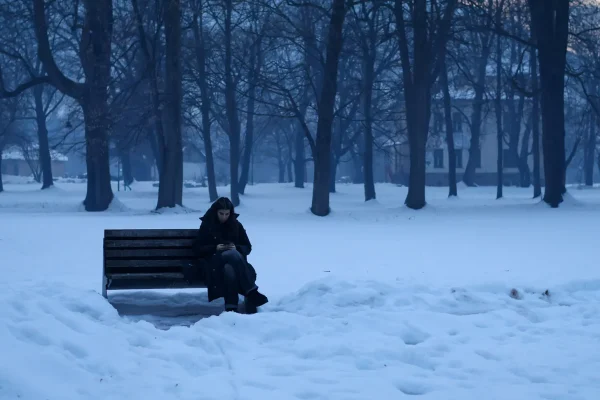
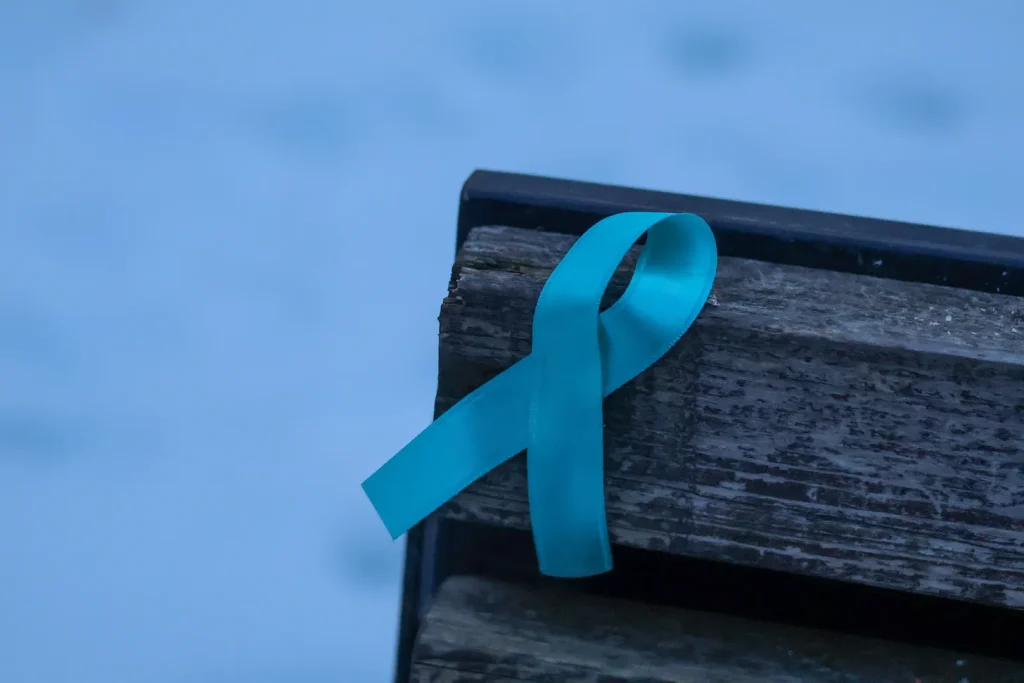
— Respondent 1, park bench
“There was an older man in the elevator wearing a beige coat. At first he seemed polite, until he began sexually harassing me. He exposed himself and forced physical contact of a sexual nature. I was alone with him in a closed space, unable to leave or ask for help.”
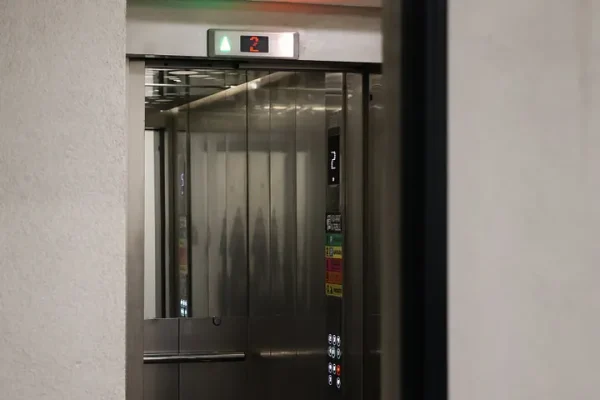
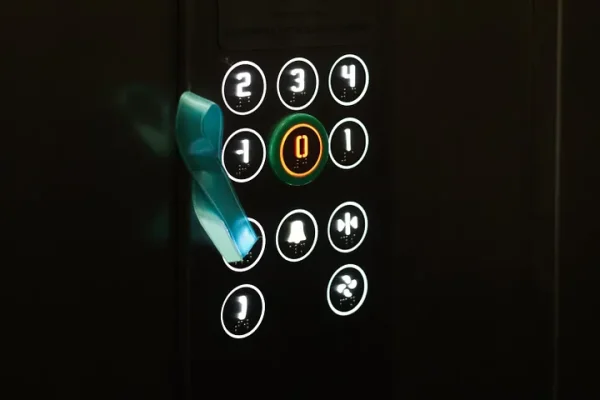
— Respondent 2, elevator
“I was hurrying through an underpass after a late shift. It was dark and damp, my usual route home. I could hear footsteps echoing behind me before I felt hands touching my thighs and hot breath on my neck. I screamed as loudly as I could, pushed him away, and started running.”
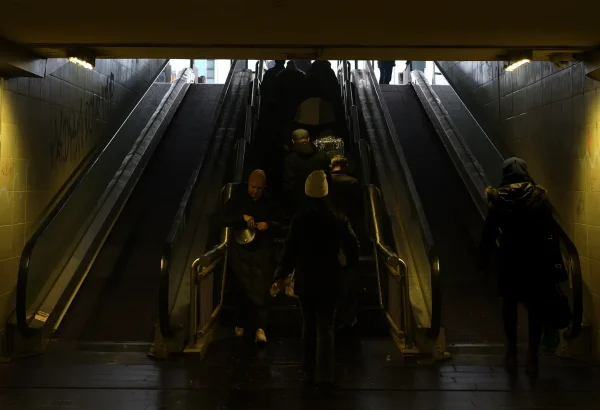
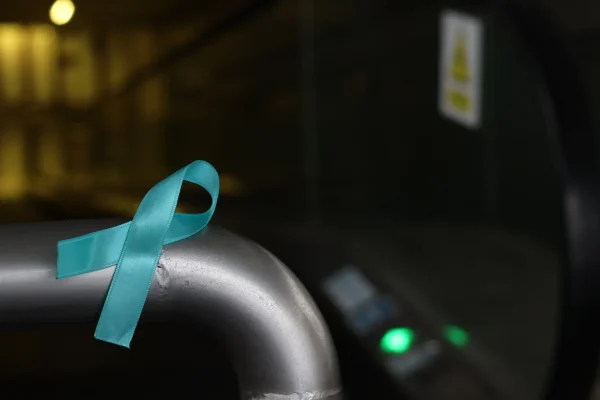
— Respondent 3, underpass
These are public spaces where sexual harassment happens in silence, often unnoticed by everyone else. And the loudest reaction society usually offers is silence itself.
Note: These stories are real testimonies from victims of sexual harassment in Sarajevo. The photographs of locations used in this article are illustrative and do not depict the actual places where the incidents occurred.